


You’re here because your health matters.
The choices you make today can shape your future. Whether you were diagnosed with prediabetes three hours ago or three years ago, it’s never too late to make changes that protect your long-term health.
Think of prediabetes as your wake-up call. It’s a signal that your blood sugar and overall metabolic health need attention. The good news? Even small lifestyle changes can lower your risk of serious issues like diabetes, heart conditions, and kidney disease, and protect your health for years to come.
This website provides tools and resources to help you take your next steps on your metabolic health journey.

Ready to dive in?
Keep scrolling or take the Metabolic Matchmaker quiz to get started!
Understanding metabolic health and prediabetes.
Metabolic health shows how well your body processes and uses energy. It involves keeping blood sugar, blood pressure, cholesterol, and weight in balance while reducing inflammation.
When your metabolic health starts to decline, your body gives signals that can be seen in lab tests, such as an A1C test done at your doctor’s office. When your A1C has risen above a healthy level, your doctor may diagnose you with prediabetes.
What is an A1C Test?
One of the early signs of poor metabolic health is an increase in blood sugar. Your doctor may order an A1C test to check your metabolic health. This test measures your average blood sugar over the past 3 months. Think of it like a “report card” for how your metabolism has been managing sugar.
| Below 5.7% | 5.7% – 6.4% | 6.5% or Above |

Your metabolism is like the engine of your body.

Just like a car engine burning fuel for power, your body converts food into energy to keep all of your systems running. When the engine is well-tuned, it burns fuel cleanly, the parts move smoothly, and your car drives reliably.
But poor quality fuel (highly processed, sugary foods), excess strain (stress), and lack of use (no physical activity) can damage your engine over time.

Prediabetes is like the check-engine light coming on. It’s not a breakdown yet, but it’s your body’s way of saying, "something’s off."
A prediabetes diagnosis is your sign that your metabolism needs attention now, before more serious conditions like type 2 diabetes or heart disease develop. By making small, steady lifestyle changes, you can improve your metabolic health and often return blood sugar to a healthier range.

But it’s just prediabetes, do I really need to worry?
The short answer is YES.
Prediabetes means that you have elevated blood sugar levels, they
just aren’t high enough yet to be considered type 2 diabetes.
Even slightly elevated blood sugar levels can lead to inflammation and cause damage to your blood vessels, preventing blood flow and oxygen from getting to organs like your heart, eyes, brain, and kidneys. This can increase your risk of heart disease, stroke, and other long-term health problems.
This damage can start occurring long before you get diagnosed with type 2 diabetes.
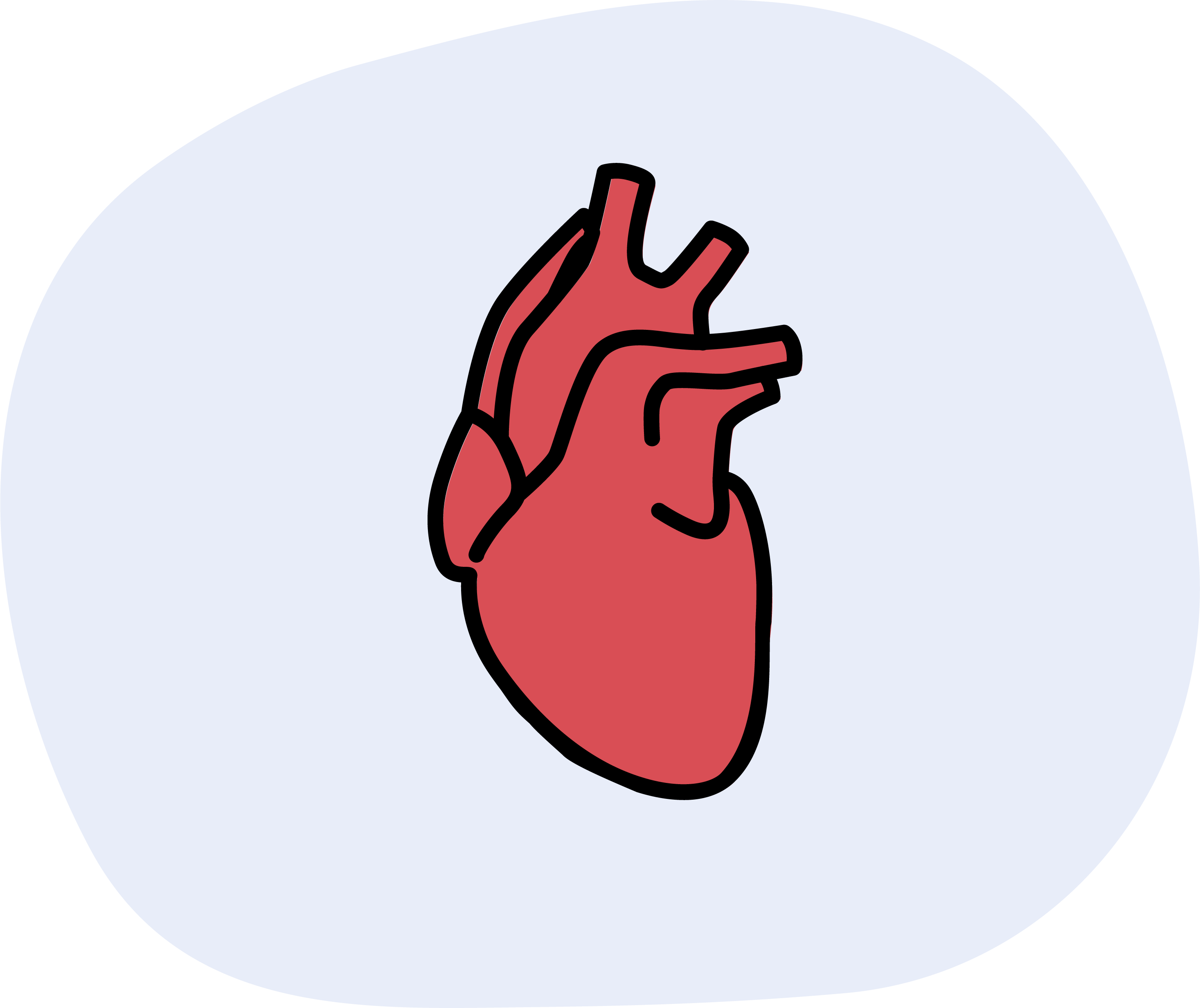
- Heart: Inflammation and changes in blood vessels that increase the risk of heart disease, heart attacks, and stroke.
- Eyes: Swelling or leakage in small blood vessels of the retina, which can affect vision over time.
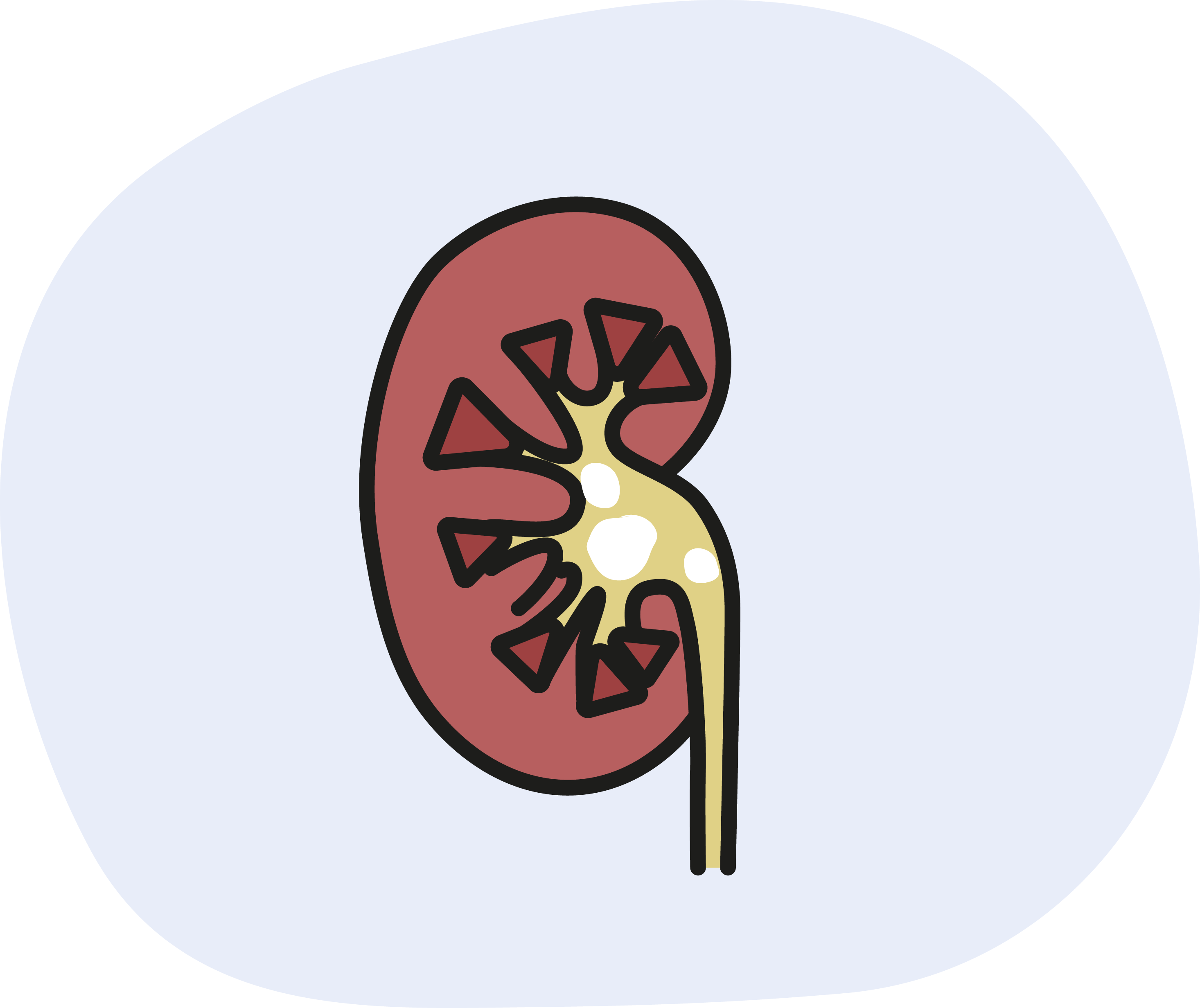
- Kidneys: Signs of kidney stress, including protein leaking into the urine, which is an early warning sign of kidney damage.
- Brain: Cholesterol build up and inflammation leading to memory problems and reduced brain function.


Understanding your labs.
Your care team uses several lab tests to get a picture of your metabolic health. Together, these numbers show how well your body is managing energy, blood sugar, and fat. Keep in mind that one elevated lab doesn’t paint the full picture of your health.
Talk to your care team if you have concerns or questions about your labs.
Click on a lab below to learn more.
A blood test that measures your average blood sugar over the past 3 months.
| Below 5.7% | 5.7% – 6.4% | 6.5% or Above |
Triglycerides are a type of fat that stores extra calories in your body. High triglycerides can be a sign of metabolic stress and are linked with a higher risk of heart disease and inflammation in your pancreas.
| Below 150 mg/dL | 150 mg/dL or Above |
ALT/AST are enzymes found in liver cells. Mild elevations can signal liver inflammation caused by poor metabolic health.
| Below 40 U/L | 40 U/L or Above |
| Normal | High |
HDL is "healthy cholesterol" that clears fat from your body. Low HDL can be another sign of metabolic health problems.
These labs look at cholesterol that can build up in blood vessels and increase the risk of heart disease.
Non-HDL cholesterol includes all “unhealthy” cholesterol, with LDL being the most common type. When someone is metabolically unhealthy, these numbers are often higher. If elevated, your care team may recommend lifestyle changes and, in some cases, medication to lower risk.
You choose where to start.
Click on diabetes prevention strategies you are interested in learning more about to add them to your strategies menu. When you have added all the ones you are interested in, click “See my strategies” to build your custom menu.
