

Your care team may prescribe you medications in addition to lifestyle changes to help you lower your blood sugar, support weight loss, and reduce your risk of developing diabetes. Medication is meant to work alongside healthy eating, movement, sleep, and stress management, not replace them.
How these medications work

Metformin
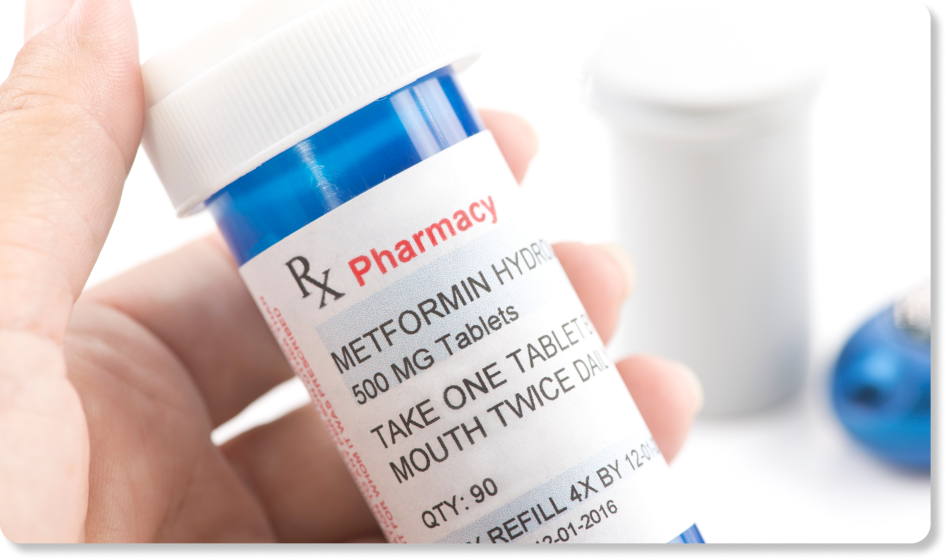
Metformin is the recommended medication for prediabetes. It works by reducing how much sugar your liver releases into your bloodstream and by helping your body respond better to insulin. This allows sugar to move into your cells, where it can be used for energy instead of building up in your blood.
Metformin is the recommended medication offered because it has the most evidence and because it is safe, effective, and affordable.
GLP-1 Medications
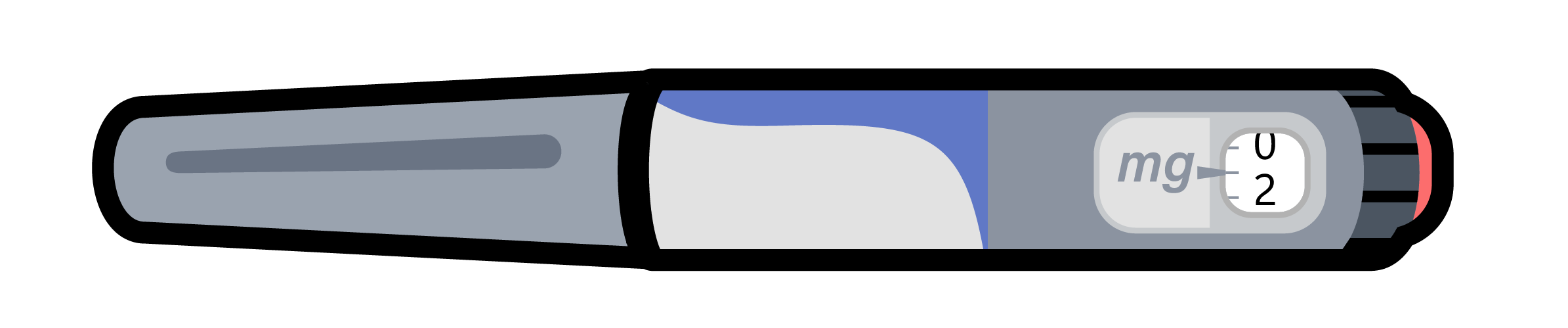
Weight loss can help prevent type 2 diabetes. GLP-1 medications for people without type 2 diabetes support weight loss as well as help control your blood sugar. (Examples include Wegovy®, Saxenda®, and Zepbound®.)
They work by copying a natural hormone in your body that helps release insulin when your blood sugar is high. They also slow how quickly food leaves your stomach, which helps you feel full sooner and longer. Many people find that these medications help reduce hunger and make portion sizes feel more manageable.
How medication improves your metabolic health
Medication can help make lifestyle changes more effective at lowering blood sugar and supporting weight loss. They work alongside lifestyle changes to give your body extra support while you build habits that protect your long-term metabolic health.
Insurance and cost
Metformin: Very low cost and widely covered by almost all insurance plans.
GLP-1 Medications: Can be very expensive and often not covered for prediabetes or weight loss without other health conditions.
Pros
- Effective way to lower blood sugar.
- Safe, inexpensive, and available as a generic.
- Easy once- or twice-daily pill.
- Effective at supporting weight loss.
- Can help protect your heart and kidneys from long-term damage as well as lowering blood sugar.
- Options include a daily or weekly injection or a daily pill.
Cons
- Can cause stomach upset or diarrhea (often improves over time). Often started on a lower dose to minimize side effects.
- Commonly causes nausea or diarrhea early in treatment.
- Benefits like weight loss and diabetes prevention stop if you discontinue the medication.
- Can be very expensive and often not covered by insurance for prediabetes at this time.
- Injections may not be a good option for people who are afraid of needles.
Next steps
 Next steps
Discuss medication options with your care team and let them know if you are using any supplements.
Call your insurance plan to ask about coverage and costs (especially for GLP-1 medications).
If prescribed medication, ask what side effects to expect and how to manage them.