





Nutrition plays a powerful role in metabolic health. The foods you eat affect how your body manages blood sugar, cholesterol, energy, and inflammation. Eating balanced meals with enough protein, fiber, and healthy fats can help keep blood sugar more stable, support a healthy weight, and reduce the risk of conditions like diabetes and heart disease.
There is no one-size-fits-all diet for improving your metabolic health. Instead, focus on making manageable and sustainable adjustments to your diet while still eating foods you enjoy.
How it works
How do foods like carbohydrates (carbs) affect your blood sugar?
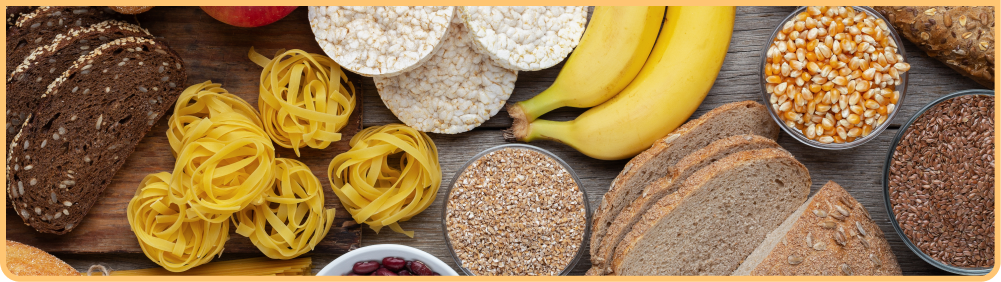
Glucose (or sugar) is a source of energy for the cells in your body. Our main source of glucose comes from carbs in the diet. Carbs, proteins and fats are the three key macronutrients that our bodies need to function. Carbs are found in starches (complex carbs) like bread, pasta, potatoes, rice, and beans, and other foods like fruits, milk, desserts, and sugary beverages (simple carbs).
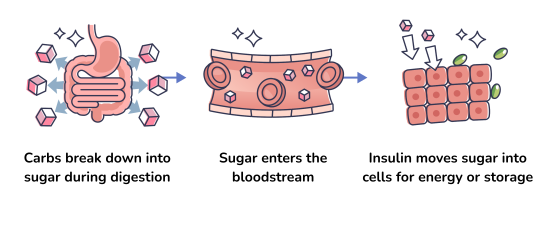
Carbs break down into sugar during digestion and enter your bloodstream where they raise your blood sugar. Increases in blood sugar signals the release of a hormone called insulin, which helps move sugar from your blood into your cells to be used for energy or stored for later use. Insulin helps maintain blood sugar in a normal range.
When blood sugar rises too quickly or too often, insulin levels stay higher. Over time, this can make your body less sensitive to insulin, a condition called insulin resistance. Insulin resistance is a key driver of prediabetes. If nothing changes, your blood sugar and insulin levels can keep rising over time and eventually turn into type 2 diabetes.
Foods can be grouped by how much (and how quickly) they raise your blood sugar and insulin levels. Think of it like a stoplight:

Green Food Examples
- Non-Starchy Vegetables: leafy greens, broccoli, peppers, zucchini, green beans
- Proteins: eggs, fish, chicken, turkey, lean meat, tofu, edamame, beans, lentils
- Fruits lower in natural sugars (whole, not juice): berries, apples, pears, oranges
- Legumes: lentils, chickpeas, black beans, kidney beans, green peas
- Healthy fats: nuts, seeds, olive oil, avocado, nut butters
- Fermented dairy products: plain Greek yogurt, cottage cheese, cheese
Yellow Food Examples
- Whole grains: whole wheat bread, brown rice, rolled or steel-cut oats, quinoa, farro, barley, millet
- Starchy vegetables: sweet potato, corn, beets, yam, plantain, pumpkin, winter squash
- Fruits higher in natural sugar: bananas, pineapple, mango
- Unsweetened dairy with natural sugar: milk

Red Food Examples
- White bread, bagels, pasta, white rice, potatoes (chips, fries, instant mash)
- Sugary cereals and snack foods like granola bars
- Pastries, cookies, candy, ice cream, cake
- Sugary drinks (soda, energy drinks, juice, sweet tea & coffee drinks)
- Chips and crackers made with refined flour
Food Lookup
Type common foods to see if it is a green, yellow, or red food item.
Pros
- Effective for both diabetes prevention and other disease prevention.
- Highly customizable to your preferences and culture.
- No special equipment or technology required.
- Benefits extend beyond blood sugar or weight (energy, mood, digestion), and can involve the whole family for shared healthy habits.
Cons
- Many people need extra support to make long-term habit changes.
- Fresh and less processed foods may be more expensive or take more time to prepare.
- Navigating food at social situations can be challenging.
There are many ways to start improving your diet!
Insurance and cost
Meeting with a Registered Dietitian, sometimes called Medical Nutrition Therapy (MNT), can help you manage your medical conditions through nutrition and lifestyle strategies. MNT is often covered for diabetes, but coverage for prediabetes is variable. Contact your insurance to learn what is covered under your plan.
Visits with a Registered Dietitian may range from $0-$200 per session, depending on your insurance coverage. Many community health centers offer nutrition counseling on a sliding scale (costs are based on your income and household size).

Next steps
 Next steps
Additional resources


SatisfAI - Low Carb Recipe Generator
Need help getting started?

Diabetes Prevention Program (DPP)
DPP is a 12-month lifestyle change program that can help you build movement into your daily routine, along with healthy nutrition, stress management, and more.
Learn More
