


While you sleep, your body does critical behind-the-scenes work: regulating hormones that control hunger, repairing cells, and managing how your body uses blood sugar. When sleep is disrupted, so are these processes.
How sleep improves your metabolic health
Click on the cards below to learn more:
Healthy sleep helps your body manage blood sugar. During deep sleep, your body becomes more sensitive to insulin, which helps keep blood sugar levels steady. Getting enough quality sleep supports this process night after night.
Four key aspects of sleep that affect your metabolic health

Quantity
Most adults need 7 to 9 hours of sleep each night. Short sleep increases levels of cortisol (a stress hormone) and makes your cells less responsive to insulin, which can increase your blood sugar.
The effect of short sleep is similar to what happens when you eat too many processed carbohydrates. Studies show that people who often sleep less than 6 hours a night have about 30% higher risk of developing type 2 diabetes.

Quality
High-quality and restful sleep is just as important as the number of hours you sleep. When you wake up frequently, toss and turn, or do not reach the deeper stages of sleep, your body misses out on important recovery time. Poor sleep quality can raise blood sugar levels even if you're spending enough time in bed. Things like alcohol before bed, screen time, an inconsistent routine, or an untreated sleep disorder, like sleep apnea, can all reduce your sleep quality without you realizing it.

Chronotype
Your chronotype is your body's natural preference for when you feel most awake and when you feel most sleepy. Some people are naturally "early birds," and some are "night owls." Research shows that night owls, people who tend to stay up late and sleep in, have a higher risk of insulin resistance and type 2 diabetes, even when they get enough total sleep.
This may be because eating and being active late at night conflicts with your body's internal clock, which affects how efficiently you process blood sugar. The closer your schedule aligns with your natural rhythm (and with daylight), the better your metabolism tends to function.

Regularity
Going to bed and waking up at different times from day to day can hurt your metabolism, even if you are getting enough total sleep. When your sleep schedule is unpredictable, it throws off your body's internal clock, which affects how well you process blood sugar, how your appetite hormones work, and how much cortisol your body produces.
Studies show that people with the most irregular sleep patterns have nearly double the chances of developing metabolic problems compared to those with steady routines. Try to keep your bedtime and wake time consistent seven days a week, even on weekends.

Pros
- Improves blood sugar control and insulin sensitivity.
- No medications or side effects.
- Can improve energy, mood, and overall health.
Cons
- Can be hard to change habits and routines.
- Sleep issues (like sleep apnea) may require testing or treatment.
- Benefits take consistency and time.
Insurance and cost
Most sleep improvements (routine, screen habits, environment) are low or no cost. Sleep studies and treatments (like CPAP) are often covered by insurance if medically needed. Check with your insurance plan about sleep testing and equipment benefits.
Testing for causes of poor sleep
If you snore loudly, wake up feeling tired despite a full night's sleep, or have been told you stop breathing or gasp during sleep, you may have obstructive sleep apnea (OSA), a condition where your airway partially or fully closes repeatedly during sleep.
Sleep apnea is strongly linked to insulin resistance, prediabetes, and type 2 diabetes. When your airway closes, your blood oxygen levels drop, and your body releases stress hormones to wake you up just enough to start breathing again. This can happen dozens or even hundreds of times per night, even if you don't remember waking up. The result is fragmented sleep, elevated cortisol, and higher blood sugar levels over time.
Sleep apnea is more common in people with prediabetes and type 2 diabetes, people with overweight or obese (especially around the neck), males over 40, and those with a family history of sleep apnea.
How is sleep apnea diagnosed? Your clinician will screen you and then may recommend a sleep study. Sleep studies can be done at a testing facility or at home with a simple device you wear overnight. The test measures your breathing, oxygen levels, and how often your sleep is disrupted.
Why does it matter? Treating sleep apnea, most commonly with a CPAP machine that gently keeps your airway open, can improve insulin sensitivity, lower blood sugar, reduce blood pressure, and help with weight management. Many patients notice they have more energy, fewer cravings, and an easier time losing weight once their sleep apnea is treated.
If you think you might have sleep apnea, talk to your care team. It's one of the most impactful and treatable conditions connected to metabolic health.
STOP-Bang Sleep Apnea Screener
Trouble sleeping, daytime fatigue, and snoring can all affect your metabolic health. This quick 8-question screener can help you understand whether you may be at risk for obstructive sleep apnea (OSA) and whether it may be worth talking with your care team.
Select Yes or No for each item.
Improving Your Sleep Hygiene
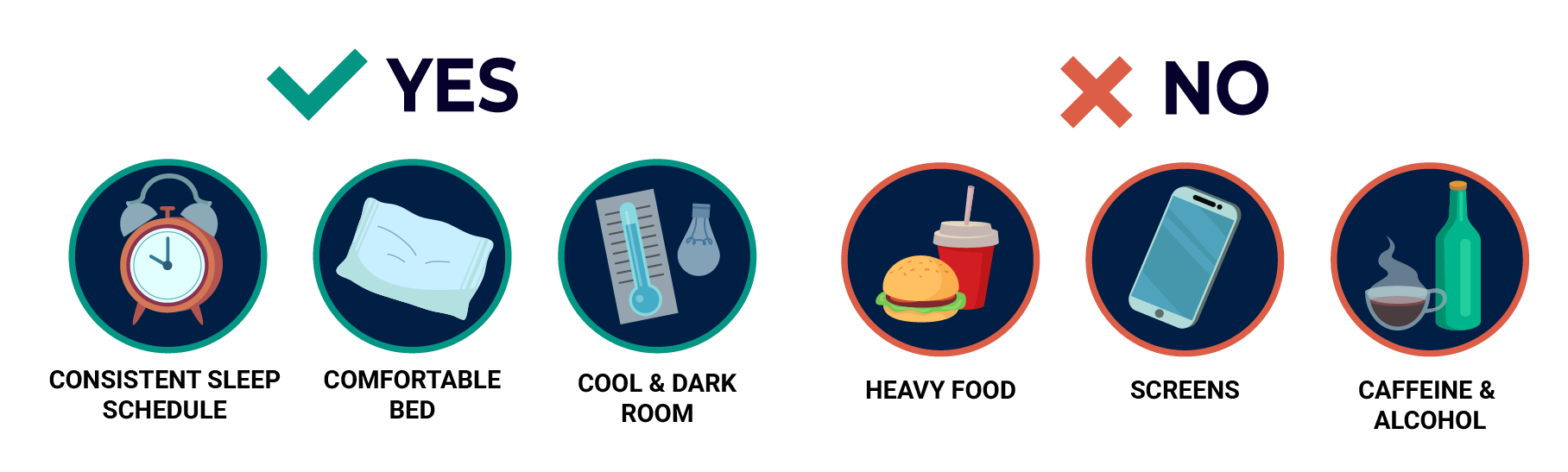
Sleep hygiene is the daily habits and routines that help you get high-quality, restful sleep. This includes things like keeping a consistent bedtime, creating a comfortable sleep environment, and limiting caffeine and screen use before bed.
Click the button below to build your own sleep hygiene checklist with habits you want to build.