

Continuous glucose monitors (CGMs) are small wearable sensors that allow you to easily monitor your glucose (sugar) levels 24 hours a day, helping you see trends over time and understand how food, activity, stress, and sleep impact you. Prescription CGMs are used by people with type 1 or type 2 diabetes, but they are now available over-the-counter (OTC) for adults who want to improve their metabolic health.
OTC CGMs are available without a prescription and can be purchased directly from the manufacturer’s website, Amazon, and some retail pharmacies.
How CGM improves your metabolic health
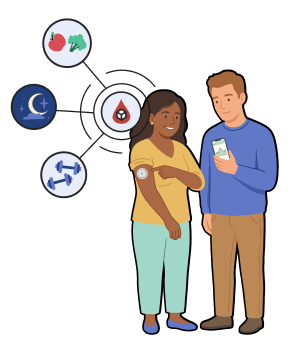
CGMs show how food, activity, sleep, and stress affect your glucose levels in real time. They help you understand how your body responds to daily choices and how glucose levels relate to how you feel, including energy, focus, and fullness.
With these insights, you can make personalized changes that work for you, rather than relying only on general recommendations. CGMs put you in the driver's seat, allowing you to take control of the lifestyle changes you make along your metabolic health journey.
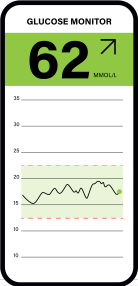
With some OTC CGMs you can even download and share your glucose data with your care team so they can help you make adjustments to your diet and physical activity.
Although studies in prediabetes are ongoing, CGMs have been shown to lower A1C in people with type 2 diabetes.
How it works
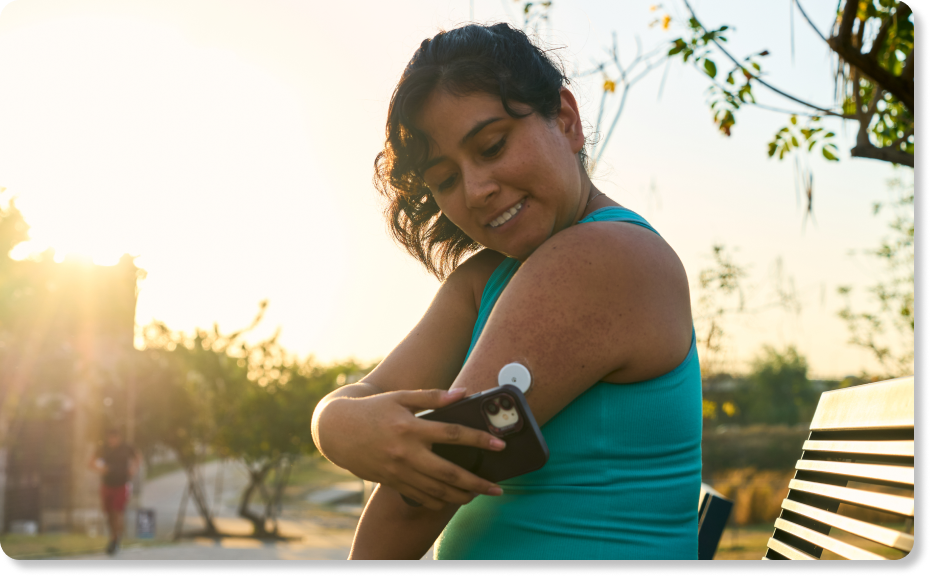
A CGM is a small disk-shaped device (about the size of a quarter) that you place on the back of your upper arm with a skin-safe adhesive. It has a tiny flexible fiber (think like an individual bristle on a toothbrush) that goes under your skin and can read your glucose levels in real time. Your levels are sent wirelessly to your smartphone, allowing you to see your glucose trends throughout the day and night.
Each sensor lasts for approximately 2 weeks before needing to be replaced.



- Immediate insights into how your glucose levels are affected by different foods and daily activities.
- Can help you tailor your lifestyle changes and stay motivated to maintain healthy habits.
- Small and painless to wear.
- Not usually covered by insurance for people with prediabetes.
- Requires a smartphone with Bluetooth.
- Some people experience mild skin irritation from the adhesive.
- CGMs may feel overwhelming because they provide so much data.
Insurance and Cost
Most insurance plans do not currently cover CGMs for people with prediabetes, though they are usually Health Savings Account (HSA) or Flexible Spending Account (FSA) eligible.
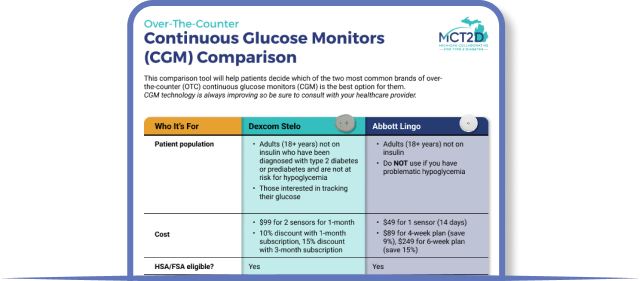
There are two OTC CGM options available:
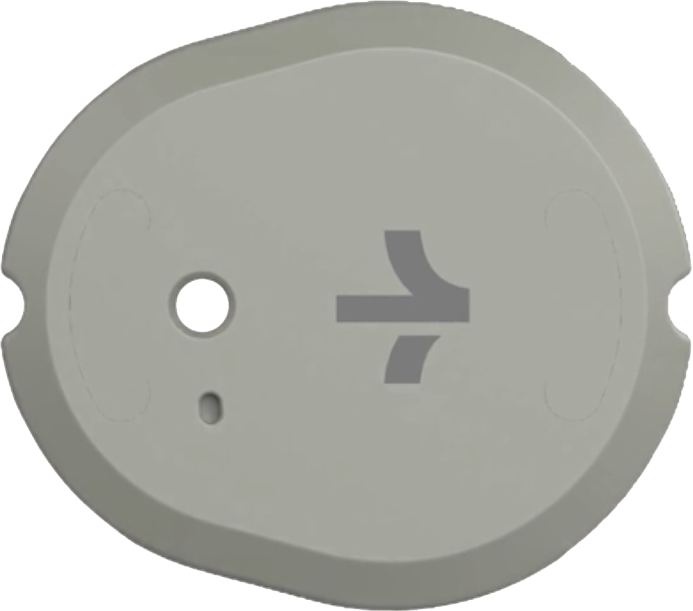
Dexcom STELO
The out-of-pocket cost is $55 per sensor (2 weeks), $99 for 2 sensors (4 weeks) or $89 for a monthly subscription.
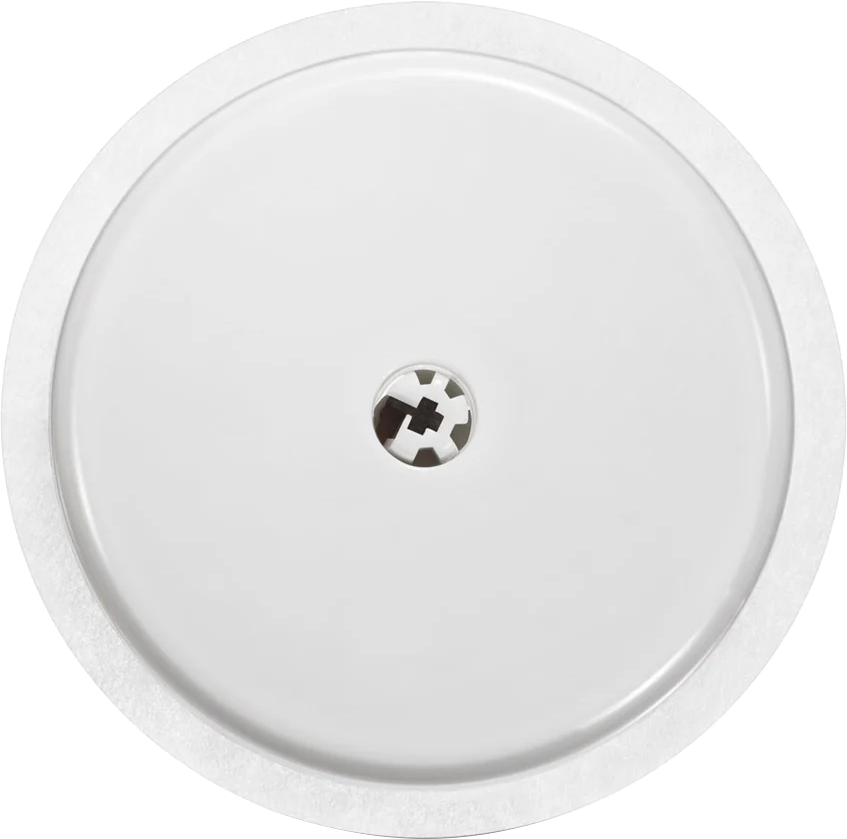
Abbott LINGO
The out-of-pocket cost is $49 per sensor (2 weeks), $89 for 2 sensors (4 weeks), or $249 for a three-month subscription.
Next steps
 Next steps
Learn more about CGMs from the American Diabetes Association.
Read MoreExplore the over-the-counter CGM options.